

FILM PHOTOGRAPHY
Film Photography Guides, Cameras & Practical Knowledge
Practical film photography guides, camera resources and real-world experience with classic 35mm and medium format cameras.
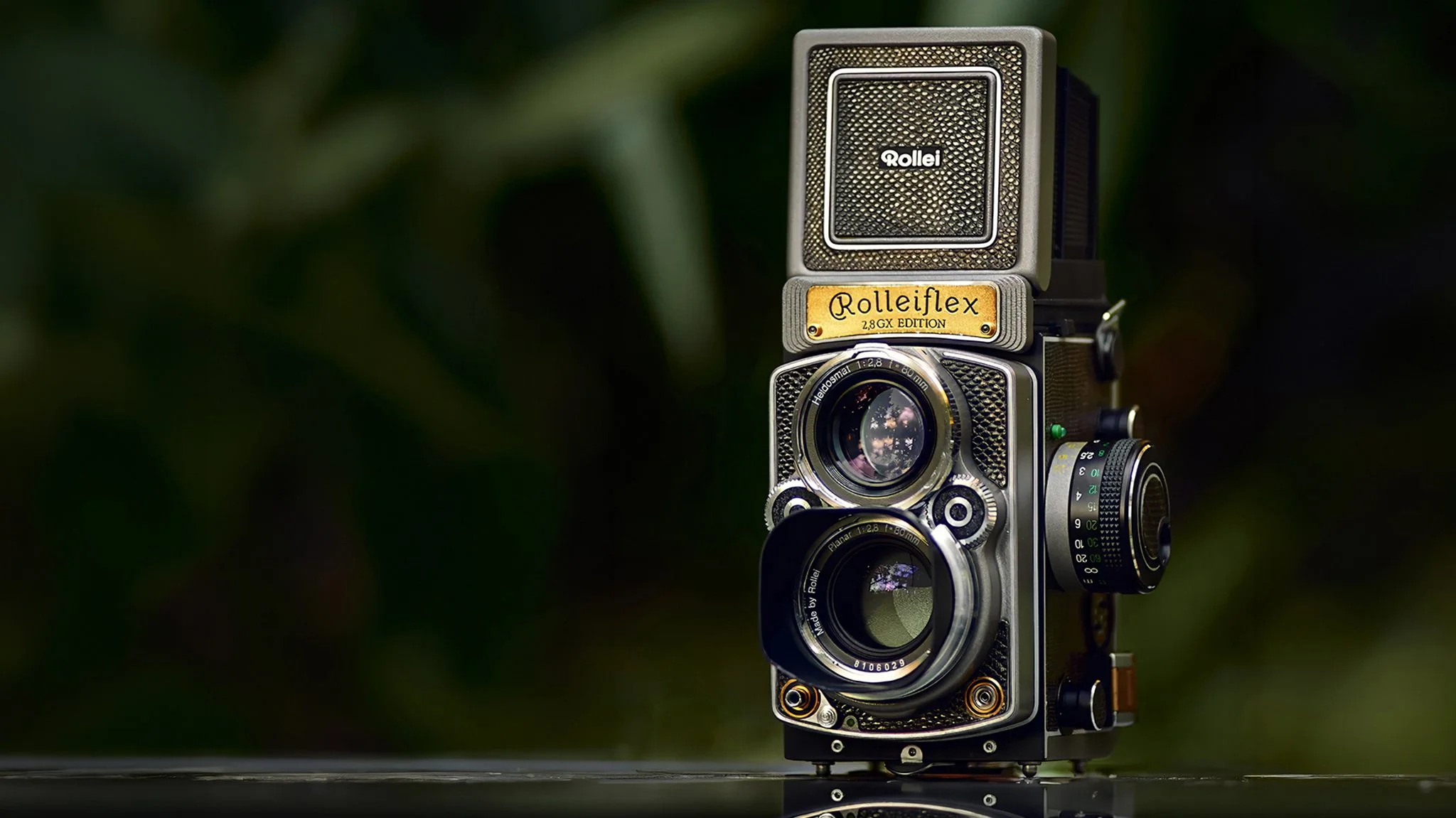
A PART OF A LARGER PHOTOGRAPHY JOURNEY
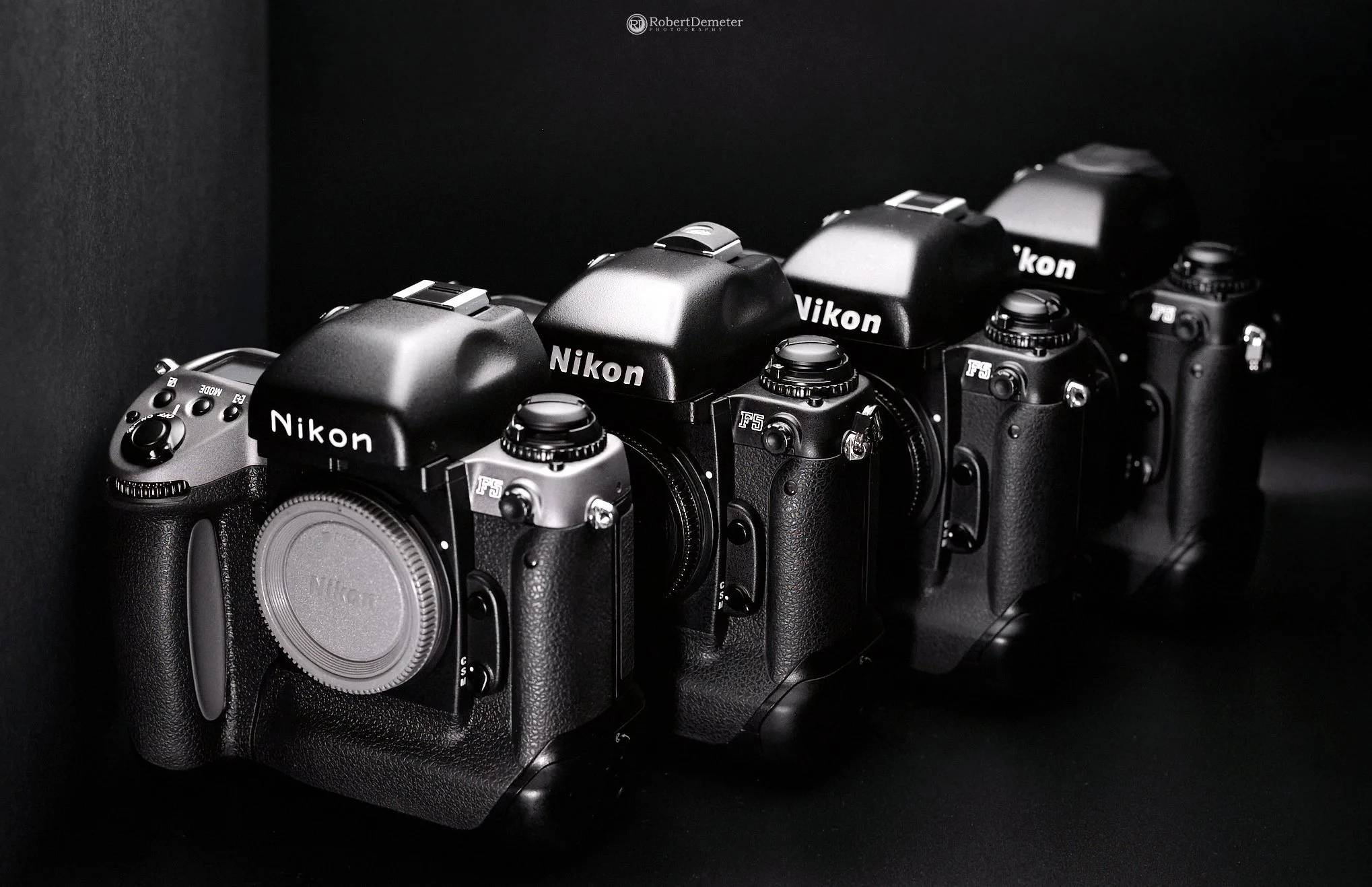
Photography Has Always Been Bigger Than One Format
My professional work is centred around wedding and event photography in Vancouver, but my interest in photography goes much deeper. This section is dedicated to film photography, classic cameras, exposure, film stocks, scanning and the real-world experience I have gained from using these systems over many years.
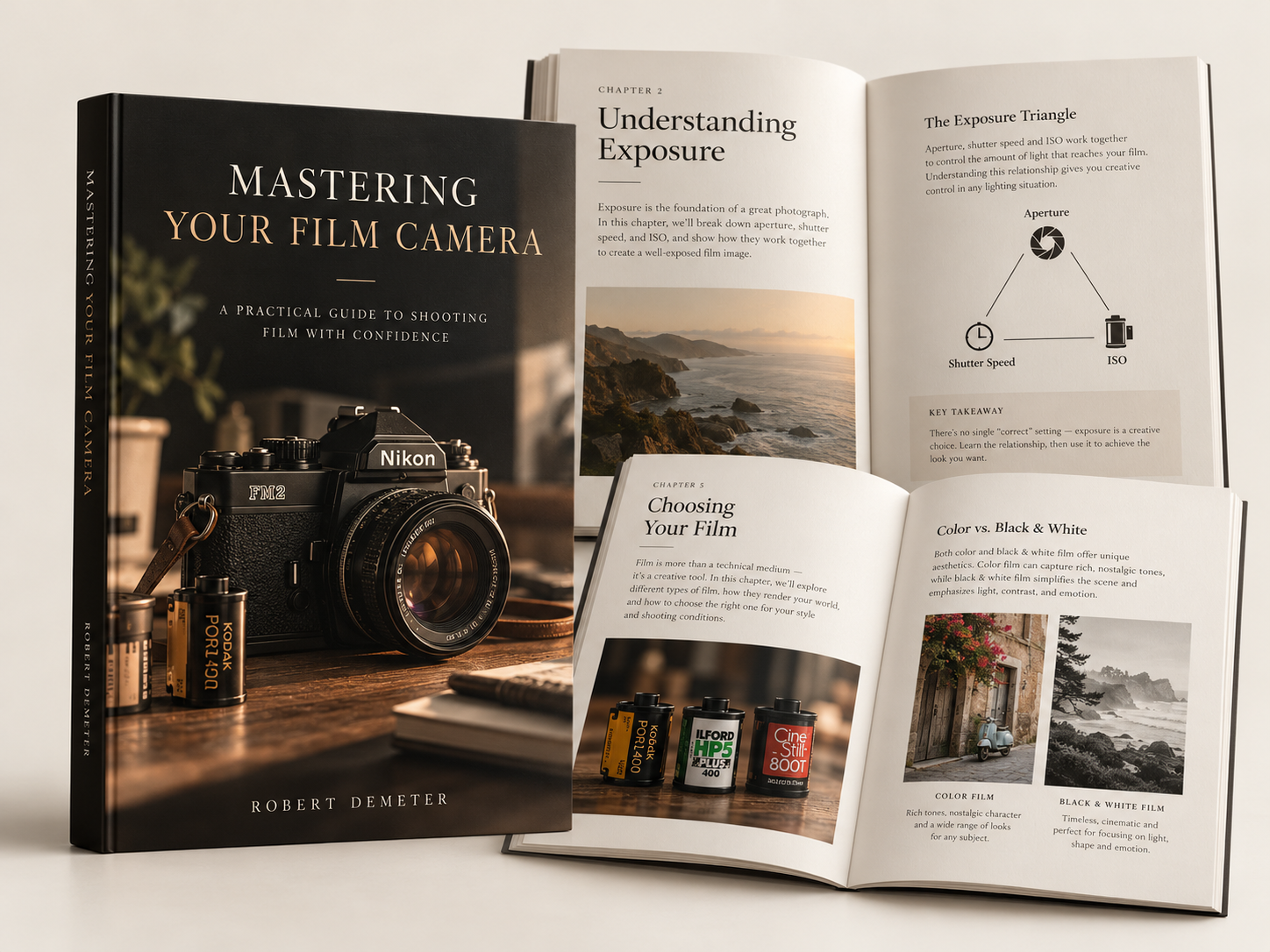
FEATURED DIGITAL GUIDE
Mastering Your Film Camera
A Practical Guide to Shooting Film with Confidence
Learn how to use your film camera with confidence, understand exposure and avoid the mistakes that waste film, time and money.
Camera controls and operation
Exposure and metering techniques
Loading and handling film
Focusing with classic cameras
Common film photography mistakes
HOW I SHOOT FILM
From 35mm to Medium Format
What This Video Shows
Loading 120 film into a Fuji medium format camera
I shoot film across a range of 35mm and medium format systems, choosing each camera for the way it changes the shooting process. Some offer speed and precision, while others slow everything down and make every frame more deliberate.
A practical look at preparing one of my medium format cameras for a real shoot. Loading 120 film correctly and getting the camera ready to use.
I work with professional 35mm SLRs, twin-lens reflex cameras and classic medium format systems from Nikon, Rolleiflex, Hasselblad, Mamiya and Fuji. I use them to compare different approaches to handling, exposure, composition and the overall shooting process.
Why the Film Process Still Matters
Film photography is an immersive process that does not end with pressing the shutter. It starts with visual intention, composition and careful exposure, then continues through film handling, development, scanning or darkroom printing. With black-and-white film, development becomes part of the final tonal control of the negative, because development time, agitation and chemistry can influence density and contrast.
That discipline also transfers directly to digital photography. Better composition, more accurate exposure and a more deliberate shooting process can reduce the amount of time spent culling and editing later. For photographers using AI-assisted culling or editing tools, that can also mean lower processing costs and a more efficient workflow.
On this page, I will go deeper into these processes, including exposure, film development, scanning, darkroom printing and practical lessons that can save time and money in both analog and digital photography. You will also find expanded camera user guides that go beyond standard manuals by combining essential camera operation with practical shooting advice, real world techniques and lessons learned from actually using these systems.